

The Illusion of Easy Money
One of the most prevalent myths surrounding casino gambling is the belief that it is an easy way to make quick money. Many people envision themselves walking into a casino, sitting down at a slot machine, or playing at a table, and instantly winning a fortune without the need for any skill or strategy. This notion is perpetuated by stories of individuals who have won big jackpots, yet it ignores the reality that the vast majority of players leave with less money than they started with. In truth, gambling is fundamentally a game of chance, and relying solely on luck can lead to significant financial losses, especially when considering options like online pokies australia that offer a similar thrill.
Furthermore, the odds are typically stacked against the player in most casino games. Each game comes with a built-in house edge, which is the percentage of each bet that the casino expects to keep over time. For example, in games such as roulette or slots, the house edge can range from 2% to more than 10%, depending on the game type. This means that, over the long term, players are unlikely to win, and many will experience substantial losses. Therefore, the idea of easy money in gambling is misleading, as it is crucial to consider the reality of odds and probabilities.
Additionally, the thrill of gambling can cloud judgment, leading players to chase losses and engage in irresponsible betting. This belief in easy money can create a cycle where individuals gamble more than they can afford, hoping to win back their losses. Such behavior not only undermines the myth but also highlights the potential dangers associated with gambling addiction. Understanding that gambling is not a surefire way to financial gain can help players approach it with the right mindset, ensuring they treat it as a form of entertainment rather than a source of income.
The Luck Factor vs. Skill
Another common myth is the assumption that luck is the sole factor influencing winning in casino games. While it is true that many casino games rely heavily on chance, others, like poker and blackjack, incorporate skill and strategy into the mix. In poker, for instance, players must pay attention to the odds, read their opponents, and make strategic decisions to maximize their chances of winning. This dispels the myth that skill has no place in gambling, showcasing how knowledgeable players can significantly enhance their odds of success.
On the other hand, some gamblers mistakenly believe that if they can consistently win in a game of skill, they can apply the same techniques in games of chance. This is where confusion often arises. Unlike poker, games such as slots or roulette offer no opportunity for players to influence the outcome through strategy, as these games rely purely on random number generators. This lack of control over the game outcome can create frustration for players who believe they can apply skill-based strategies to these games, leading to misconceptions about their potential for success.
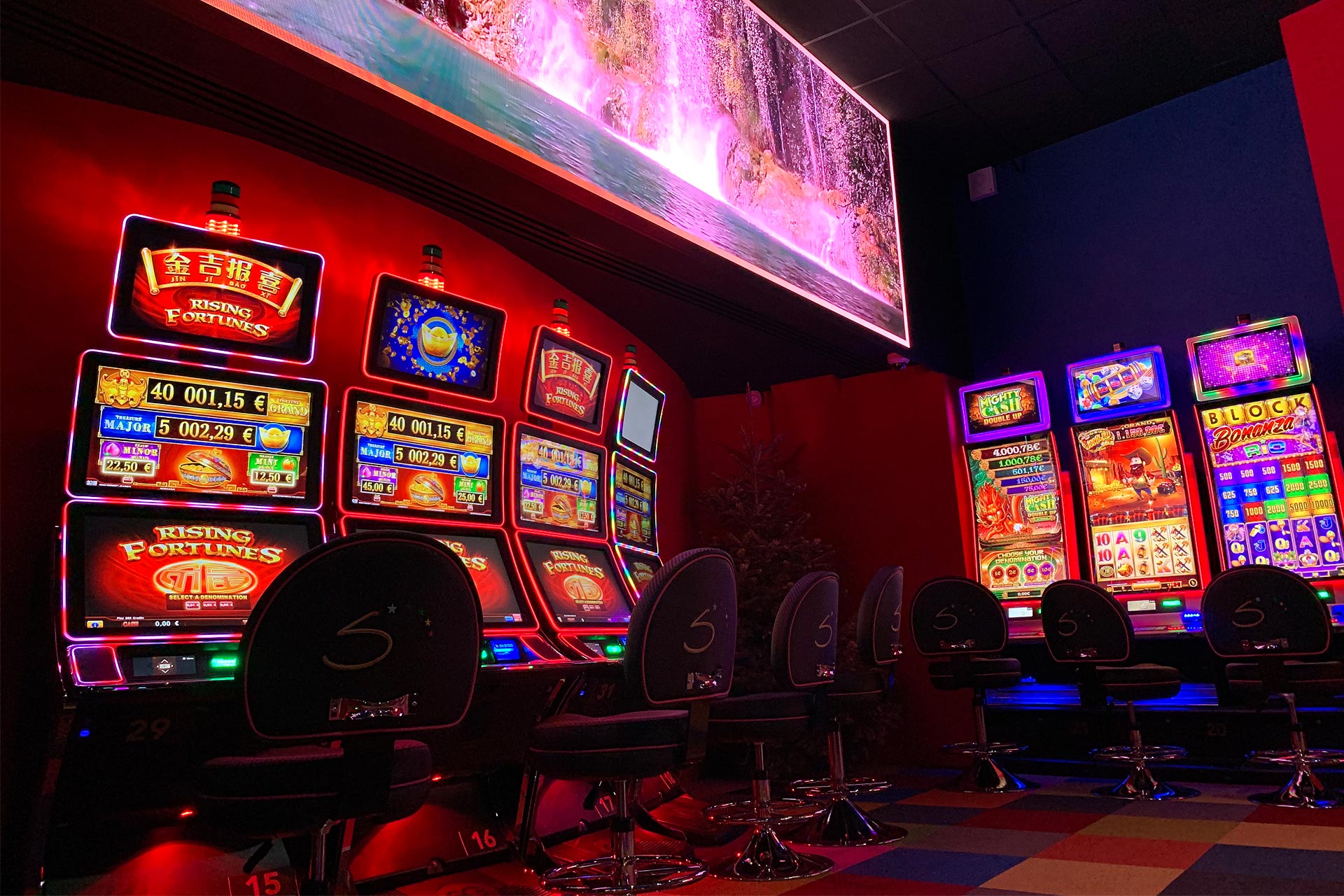
Moreover, the belief in luck can lead to various superstitions among players, such as using lucky charms or specific rituals before placing a bet. While these practices provide a sense of comfort, they do not affect the outcome of games governed by chance. Understanding the distinction between luck and skill is essential, as it enables players to adopt a more informed and strategic approach, ultimately leading to a more enjoyable and responsible gambling experience.
The Realities of Casino Promotions
Casino promotions and bonuses are often advertised as enticing offers that can significantly increase a player’s chances of winning. However, many individuals fall prey to the myth that these promotions are as beneficial as they seem. While they can provide additional funds to play with, they frequently come with stringent terms and conditions that can make it challenging to withdraw any winnings. For example, many casinos impose wagering requirements, requiring players to bet a certain amount before they can cash out their bonus winnings.
Additionally, the allure of free spins or matching deposits may entice players to gamble more than they originally intended. This can lead to impulsive behavior where individuals continue to play in hopes of winning big, despite the fact that the odds remain unchanged. The promotion’s appeal may mask the reality that players still face the house edge, which remains a constant threat to their bankroll. Therefore, understanding the fine print and realistic expectations of such promotions is crucial for responsible gambling.
Furthermore, the marketing strategies employed by casinos often create an illusion of winning opportunities, which may not reflect the true experience of most players. For every player who benefits from a promotion, countless others may find their bets evaporating without yielding any significant returns. This highlights the importance of skepticism regarding the so-called “great deals” that casinos advertise. Approaching promotions with realistic expectations can help players enjoy their time at the casino without falling for misleading marketing tactics.
The Social Stigma of Gambling
The social stigma surrounding gambling is another myth that can deter individuals from enjoying the recreational aspects of casino gaming. Many people associate gambling with irresponsible behavior and addiction, leading to negative perceptions of those who choose to gamble. This stigma can overshadow the fact that, for many, gambling is a fun and exciting form of entertainment akin to watching a movie or dining out. Understanding that gambling can be enjoyed responsibly is essential in dispelling this myth.

Moreover, responsible gambling practices can assist in altering the negative narrative. Many casinos and gambling organizations promote responsible gambling initiatives, providing resources for those who may need assistance. By discussing responsible gambling openly and encouraging a balanced approach, society can foster a more positive outlook on the activity. This can help individuals feel more comfortable exploring gaming as a leisure activity rather than fearing judgment from others.
Finally, the narrative around gambling addiction needs to be addressed separately, as it impacts a minority of players. It is vital to recognize that the vast majority of individuals engage in gambling responsibly and find enjoyment without negative consequences. By fostering conversations about responsible gambling, it allows for a more nuanced understanding that celebrates the entertainment aspects of gaming while also acknowledging the need for awareness and support for those who may struggle.
Exploring the World of Responsible Gambling
At its core, responsible gambling is about understanding the risks involved and making informed decisions. Players are encouraged to set limits on their gambling activities, whether it be regarding time spent or money wagered. This proactive approach can help mitigate the potential negative impacts of gambling, ensuring that it remains an enjoyable pastime. Most reputable casinos now offer tools such as deposit limits, loss limits, and self-exclusion options, empowering players to take control of their gambling habits.
Moreover, the rise of online casinos has contributed to the accessibility of gambling, which necessitates a stronger emphasis on responsible gambling practices. Players should educate themselves about the games they choose to play and understand the inherent risks involved. Websites and platforms dedicated to responsible gambling provide valuable resources and support for anyone looking to gamble mindfully. By fostering a culture of informed decision-making, players can enhance their overall gaming experience.
Ultimately, dispelling the widespread myths surrounding casino gambling requires an ongoing effort from players, casinos, and society. As the landscape of gambling continues to evolve, maintaining a focus on responsible practices is crucial. It’s essential to create an environment where everyone can enjoy gambling as a form of entertainment without falling prey to misconceptions or harmful behavior. The more we educate ourselves and others, the better equipped we will be to foster a healthier and more enjoyable gambling culture.
